Project Description:
PMCG, as part of a consortium led by Tetra Tech ARD, under the USAID-funded program “Good Governance Initiative (GGI)”, is providing support to Akhaltsikhe City municipality to guide and manage its sustainable urban development.
The objective of this assignment is to provide technical assistance to Akhaltsikhe in developing the City Development Strategy and Spatial Urban Development Plan to improve governance and service delivery to the citizens at the local level.
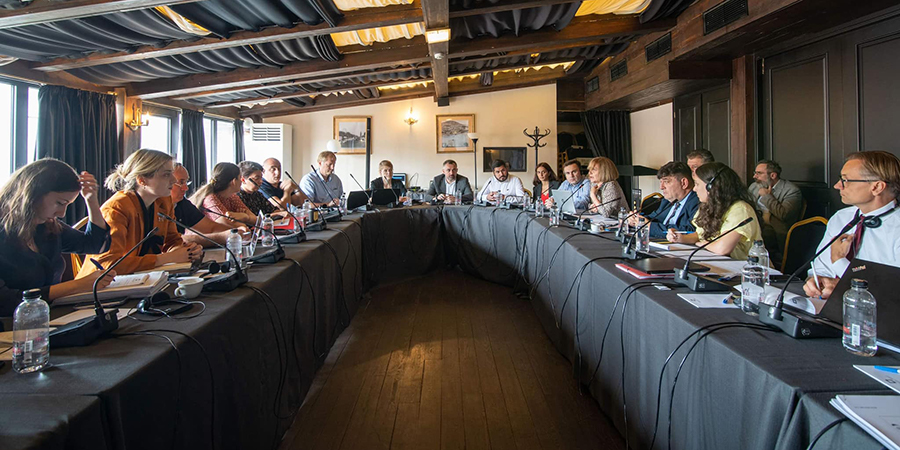
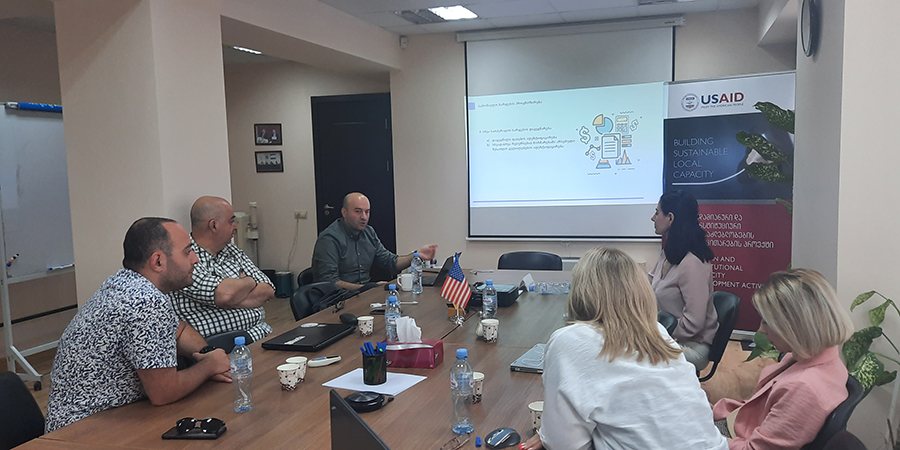
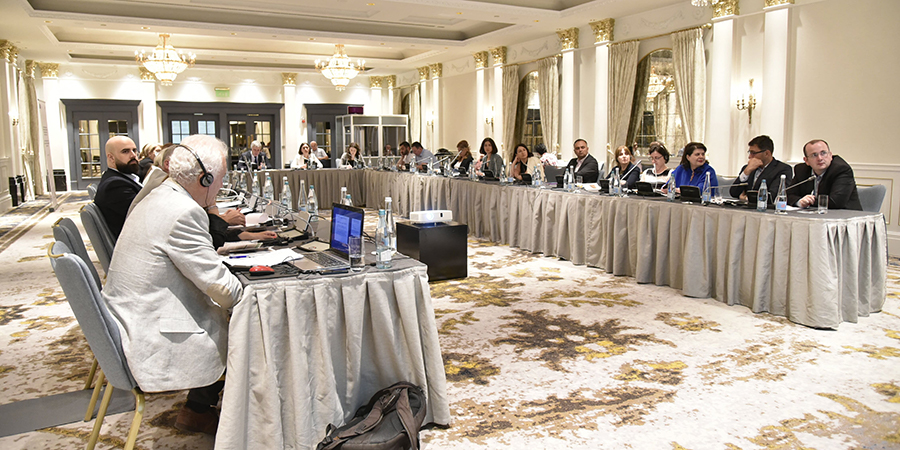
By the order of the Mayor of the self-governing city of Akhaltsikhe, a special Working Group (WG) was created to oversee the development of the City Development Strategy, Spatial Urban Development Plan, and all other related documents. The WG is composed of all major stakeholders, representatives of different segments of society including representatives of the local administration, field experts, youth, academia and CSOs. PMCG’s team works closely with the WG in the process of developing strategic documents.
More specifically, PMCG’s team performs the following activities:
1. Analyses of the current state of affairs:
- Thoroughly review and analyze already existing strategic documents developed by the City (city development or socio-economic strategy, medium/long term vision for Akhaltsikhe City’s development as well as the mission of the city; potential priority directions for urban/economic/social development; general vision about the projects to be implemented under each priority direction for city development) and develop a set of recommendations to further improve the above-mentioned strategic papers
2. Develop City Development Strategy:
- Develop a work plan for elaboration of the City Development Strategy and its Action Plan
- Improve and finalize the medium and long term visions for the Akhaltsikhe City Development, the mission of the city, and priority directions for economic/social development
- Provide advice to the WG to solicit necessary financial resources for project implementation
- Provide support to the WG to elaborate a draft City Development Strategy and framework for elaboration of the Action Plans based on the draft City Development Strategy
- Provide support to the WG to hold public discussions on a draft City Development Strategy for the city of Akhaltsikhe or its individual components
- Provide support to the WG to finalize the City Development Strategy and Action Plan for the city of Akhaltsikhe
3. Develop Urban Development Plan:
- Through close engagement with the WG, develop an Action Plan for elaboration of the Spatial Urban Development Strategy and Planning Order for developing the Land Use Plan of City of Akhaltsikhe
- Collect information and all data through interviewing the representatives of the state agencies, central and local governments, relative field experts and business-sector to develop Spatial Urban Development Plan
- Provide support to the WG to conduct public meetings
- Provide support to the WG to examine the collected data and develop the Planning Order
- Provide support to the WG and municipality to work and coordinate with the WB project
- Participate and provide recommendations to the WG in the bidding process
Follow the links below for related projects:
Good Governance Initiative (GGI)
Supporting Ministry of Regional Development and Infrastructure (MRDI), Ministry of Labor, Health and Social Affairs (MOLHSA), Akhaltsikhe, Batumi and Kutaisi Municipalities in Capacity Development of Internal Audit (IA) Units
Improving Program Budgeting Capacity of Akhaltsikhe Municipality
Strengthening Program Budgeting Capacity of Batumi Municipality
Strengthening Kutaisi Municipal Enterprise Management
Improving Program Budgeting Capacity of Kutaisi Municipality
Assisting Kutaisi City Municipality in Elaboration of the Economic Development Strategy
Support for Preparation of General Methodology for Municipal Priority Document, Design Municipal Priority Documents for 22 Municipalities and Update Comprehensive Regional Action Plans for 6 Regions of Georgia