Project Description:
PMCG, as part of the consortium led by Tetra Tech ARD, under the framework of the USAID-funded Good Governance Initiative (GGI), is providing support to the Central Harmonization Unit (CHU) to enable it to perform its functions better, and to develop its policy paper and action plan.
The CHU is an internal organizational unit within the Ministry of Finance tasked with ensuring the formation of an independent, objective, transparent and professional Public Internal Financial Control and Internal Audit System.
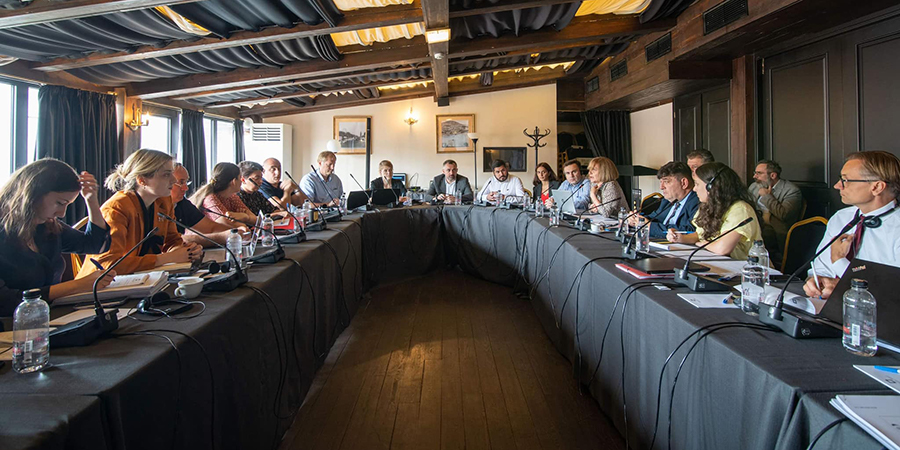
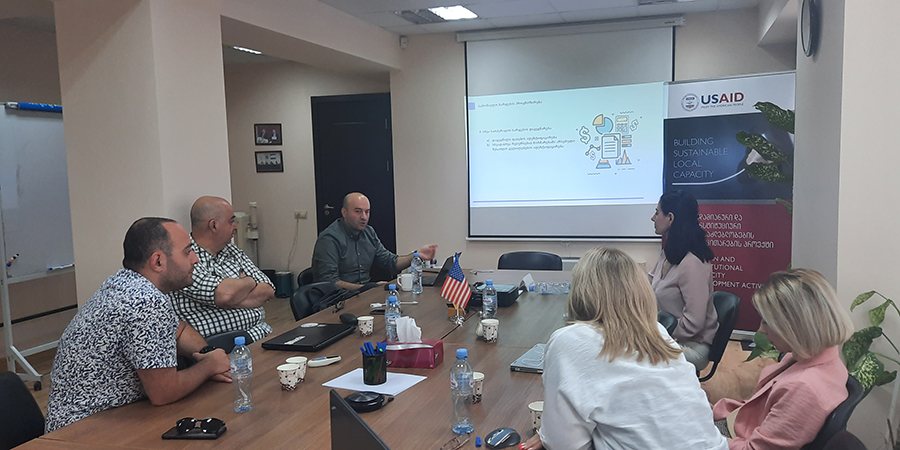
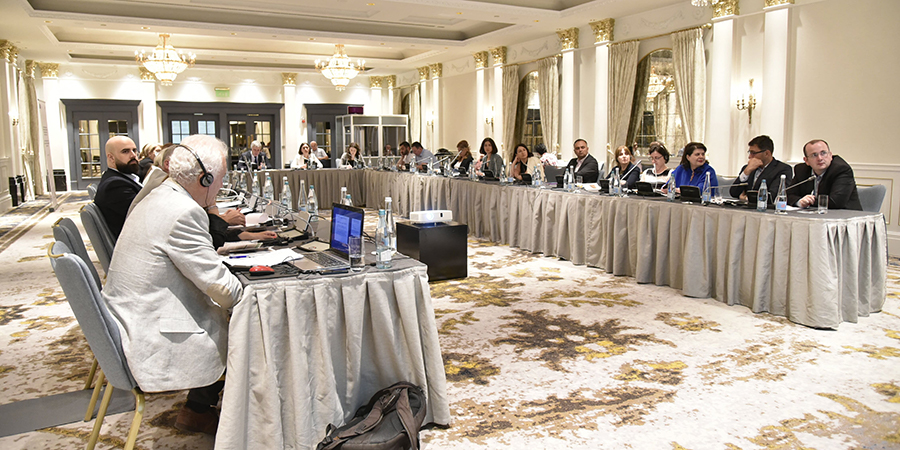
PMCG assists the CHU in developing the Public Internal Financial Controls (PIFC) Strategy and the action plan for 2016-2018. Accordingly, PMCG delivers strategy planning workshops and coaching during paper writing process. During the project, a total of 13 meetings (workshops and coaching meetings) with CHU staff and 4 workshops with ministries’ representatives are being held in order to conduct comprehensive analysis and to draft all the main components of the PIFC strategy. Besides those activities, special attention is given to elaborating the most appropriate design and style for the strategy paper.
During the consultancy, the PMCG team provides the following services:
1. Supporting (mentoring/coaching) the CHU in developing the PIFC Strategy and the CHU action plan for 2016-2018
2. Participating in a 3-day strategic planning workshop for CHU staff conducted by the GGI subcontractor Blue Madrona
3. Helping CHU in writing the PIFC Strategy
- Educating about CHU’s vision, strategic directions
- Identifying PIFC system’s strengths, weaknesses, challenges and opportunities (this is be done with the help of the CHU members) and getting familiar with the OECD/SIGMA Gap Analysis of the PIFC
- Helping CHU members in writing the PIFC Strategy with the most appropriate wording and writing style
4. Creating a monitoring and evaluation plan with measureable objectives and indicators
5. Creating a CHU action plan for 2016-2018
6. Ensuring that the CHU has ownership of the process and of the final product
Background information:
USAID has awarded Tetra Tech ARD with a 5-year contract under the Office of Democracy and Governance, whose purpose is to support the Government of Georgia in strengthening overall transparency, accountability and effectiveness of selected governance and service delivery systems. GGI’s work targets the legislative and executive branches at both the central and local government levels. To ensure greater government accountability, GGI works with government and civil society representatives to enhance public participation and disseminate public information about key reforms. This activity addresses the Governing Justly and Democratically Objective of U.S. Government Foreign Assistance, and especially the promotion of well-governed states and civil society areas.
The objectives of GGI are to improve administrative and financial management of public institutions at all levels, to increase civic engagement and improved access to independent, reliable and balanced information relevant to Georgia’s good governance, to strengthen policy development and lawmaking processes and to strengthen institutional oversight of government.
Follow the links below for related projects:
Good Governance Initiative (GGI)
Support to Public Finance Policy Reform (PFM)
Organizational Development and Training for Policy Analysis, Strategic Planning and Coordination Department at the Government of Georgia
Consultancy/Training Services in Budgetary Oversight and Programme Budgeting to the Parliament of Georgia within the UNDP Project “A strong Parliament in a Consolidated Democracy”
Review of the Implementation of the PFM Management Sector Budget Support Programme (SPSP)
Development of a Detailed Work Plan for Transition to International Public Sector Accounting Standards for the Ministry of Finance of Georgia
Preparation of the Functional and Technical Design of the Public Financial Management System (PFMS) for the Structural Units of the Ministry of Finance of Georgia