Project Description:
The objective of the project is to support the Government of Georgia (GoG) to improve the economy, particularly the business enabling environment, water resource management and energy trading policy, by enhancing the capacity of governmental institutions to design, fulfill and enforce reforms, and to promote engagement between the private sector and civil society actors in this process.
Under the framework of the 5-year project, as a member of the consortium, led by Deloitte, PMCG will work on the following issues:
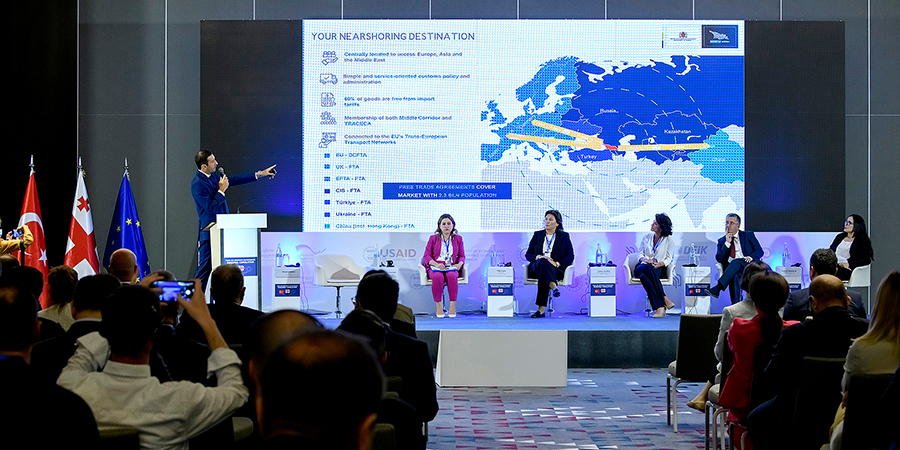
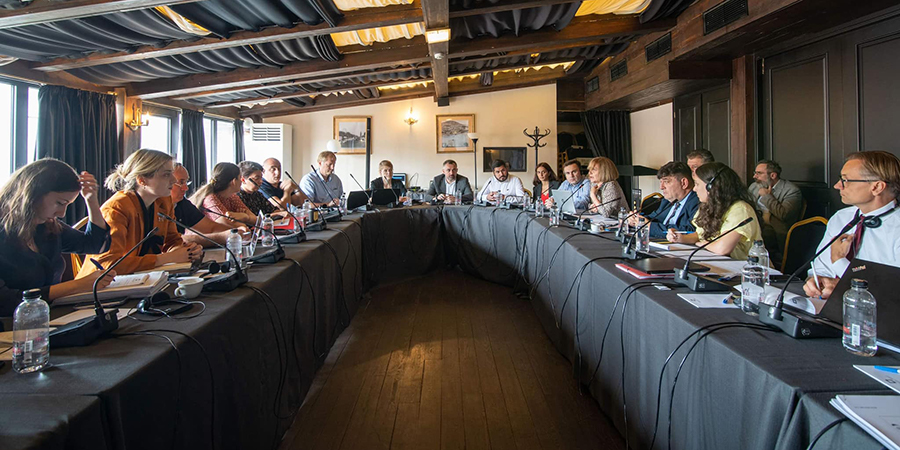
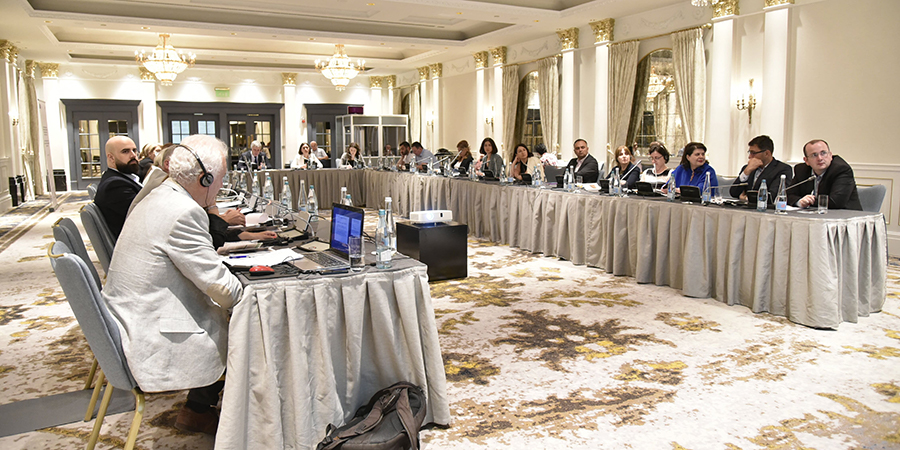
- Support inclusive public-private dialogue: create a platform consisting of events, meetings etc. to encourage an exchange of information, opinion and to facilitate dialogue. Such an approach will facilitate improvements and result in the issuing of targeted actions, and more efficient policy formulation at national, subnational and municipal level.
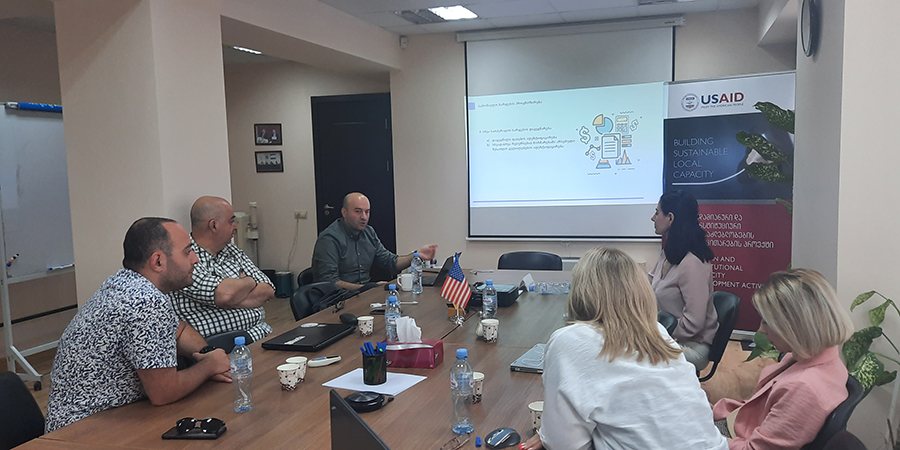
- Strengthen the capacity of the GoG to implement and enforce reforms: support governmental institutions to strengthen their capacity, by providing technical assistance and special trainings to support the process of reform development, implementation and enforcement. PMCG’s assistance will be focused on improving the business enabling environment and raising Georgia’s economic competitiveness, and will be oriented toward system improvement in tax and customs and its compliance with international standards.
- Strengthen the capacity of private sector and civil society actors to advocate for reforms: Develop a strategy and deliver special trainings to engage representatives of the private sector and civil society, including think tanks, NGOs, labor organizations, academic institutions and media in the process of creation, implementation and enforcement of reforms by GoG.
The approach will guarantee a better informed, prepared and active private sector and civil society which is one of the key components for effective reform implementation, and will result in an informed society and transparent and accountable government.
Background Information:
The purpose of the G4G activity is to improve Georgia’s economic governance and leadership,particularly in the areas of: (1) weak enforcement of the legal and regulatory framework and its negative impact on small- and medium-sized enterprises; (2) unregulated use of water resources and the resulting threat to the quality and quantity of water available for long-term economic growth and resource-based conflict; and (3) the lack of an energy trading mechanism between Georgia and neighboring countries that severely inhibits new foreign and domestic investment into hydropower production. G4G will strengthen the capacity of GOG institutions to develop, implement and enforce reforms, and develop the capacity of private sector and civil society actors to engage the GOG in the development, implementation and enforcement of reforms. Key to the success of G4G will be supporting inclusive and constructive dialogue among government, private sector and civil society stakeholders.
Follow the links below for more detailed information:
Economic Prosperity Initiative (EPI)
USAID Georgia, Economic Prosperity Initiative – Assessment of Georgia-United Arab Emirates Double Taxation Treaty
Simplification of Tax Code
Development of the Customs Time Measurement Methodology
Strengthening PR/Communications Function at the Ministry of Justice of Georgia