Project Description:
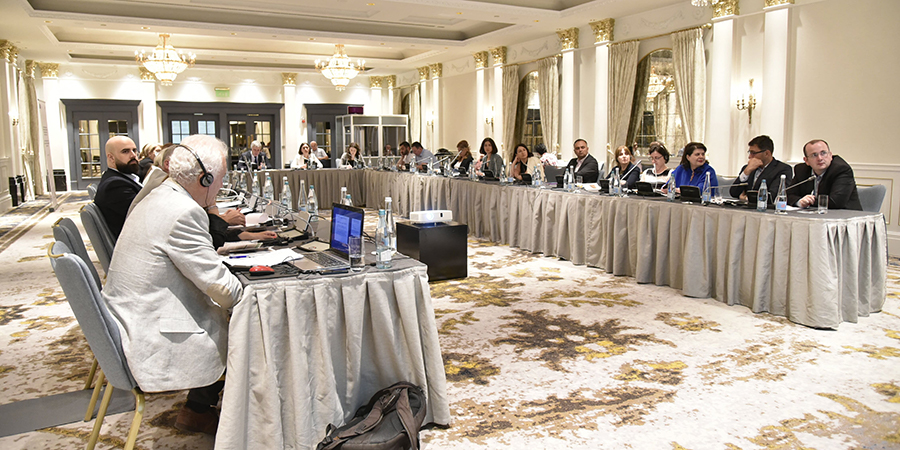
The objective of the project was to identify the possible effects of the initiated amendments to the Labor Code of Georgia. We analyzed the attitudes of the business managers towards these changes. The analysis was based on international empirical studies, experiences of other countries and a survey of business leaders’ attitudes to the proposed amendments in Georgia's Labor Code.
Target Groups: Business Leaders, Ministry of Justice, Ministry of Economy, General Public
Project Outcomes: The research findings show that respondents perceive the initiated amendments to the Labor Code of Georgia to negatively impact the creation of new jobs. The respondents also believed it would increase the possibility of a shadow economy and political corruption. In addition, respondents stated that in case of an economic crises, it would be difficult for the country’s economy to adapt.
Recommendations: Based on the research findings, the following recommendations were made:
Background information:
The East West Management Institute (EWMI) Policy, Advocacy and, Civil Society Development in Georgia (G-PAC) is a four-year initiative funded by the United States Agency for International Development (USAID).
Its aim is to strengthen civil society’s role in advocating effective public policy reforms in Georgia. EWMI G-PAC provides grants and demand-driven capacity development assistance to civil society organizations.
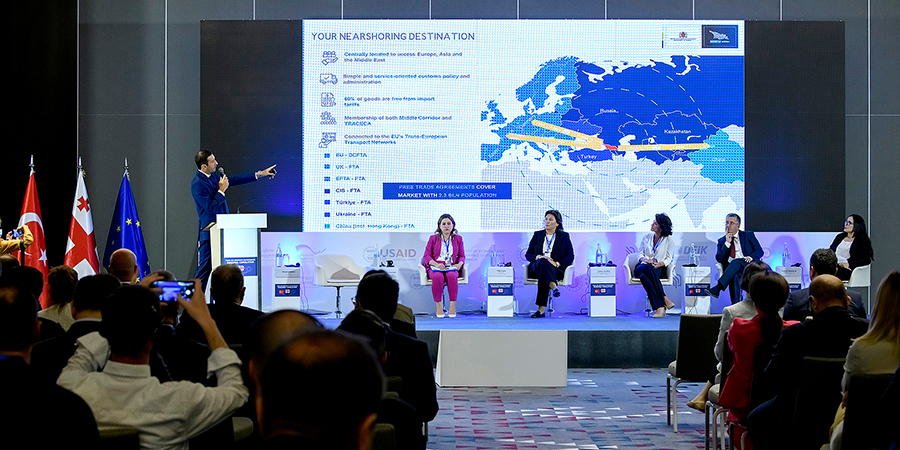
On September 9, we presented the findings of the research entitled “Investment and Export Promotion via Diagonal Cumulation between Georgia, Türkiye, and the European Union” at a forum organized by the Ministry of Economy and Sustainable Development of Georgia with the support of the USAID Economic Security Program, the EU, and GIZ.
We recently started working on a new project entitled “Communal Infrastructure for Environment and Tourism Improvement - Lot 2: Accompanying Measures,” aimed at improving the living conditions of people in four Georgian municipalities (Baghdati, Vani, Samtredia, and Kazbegi) through improving the supply of hygienically-sound drinking water and environmentally-safe sanitation infrastructure.
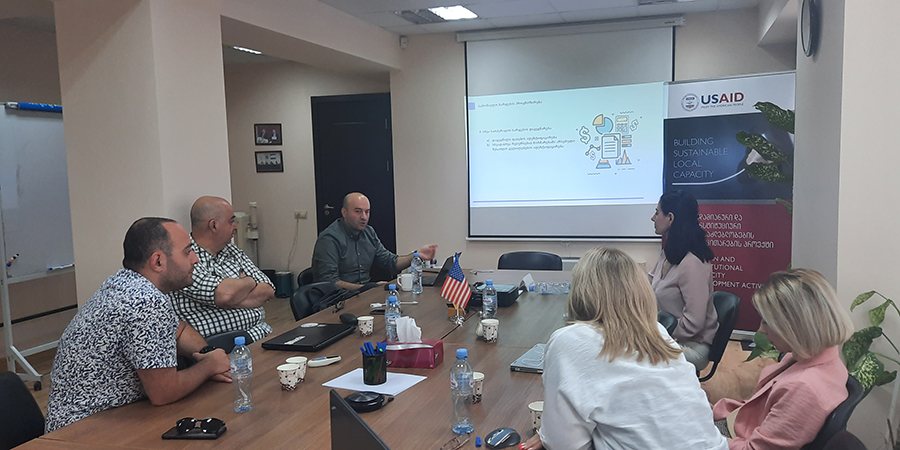
We recently completed a project entitled “Executive Roundtable (ERT) Session on Non-Profit Budgeting Process,” carried out by the USAID HICD Activity and implemented by the Kaizen, Tetra Tech company, aiming to facilitate collaboration, collective learning, and organizational development in the non-profit budgeting process with a cohort of selected organizations, including the Georgian Young Lawyers Association (GYLA), the Georgian Institute of Politics (GIP), and the Georgian Association of Social Workers (GASW).
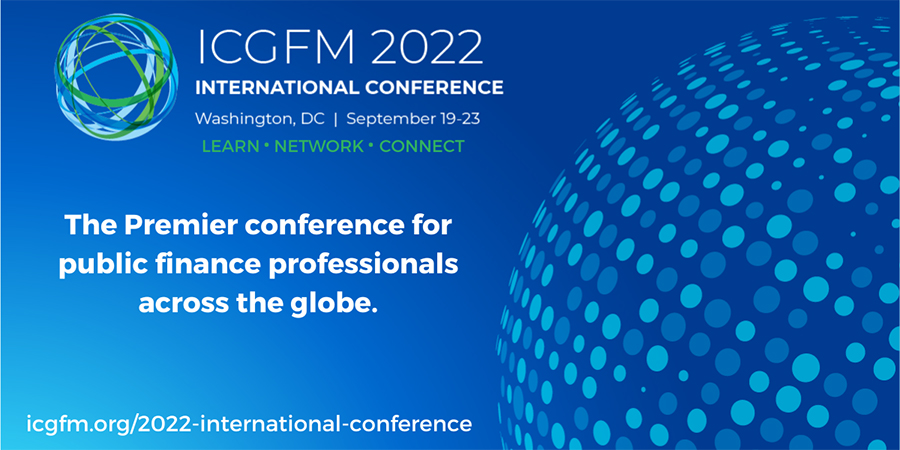
On September 19-23, the International Consortium on Governmental Financial Management (ICGFM) is hosting the 2022 International Conference at the University Club of Washington DC, offering the first opportunity in over two years for the global PFM community to gather in-person to network and connect with leading professionals and colleagues from across the world, in a unique and distinguished setting.
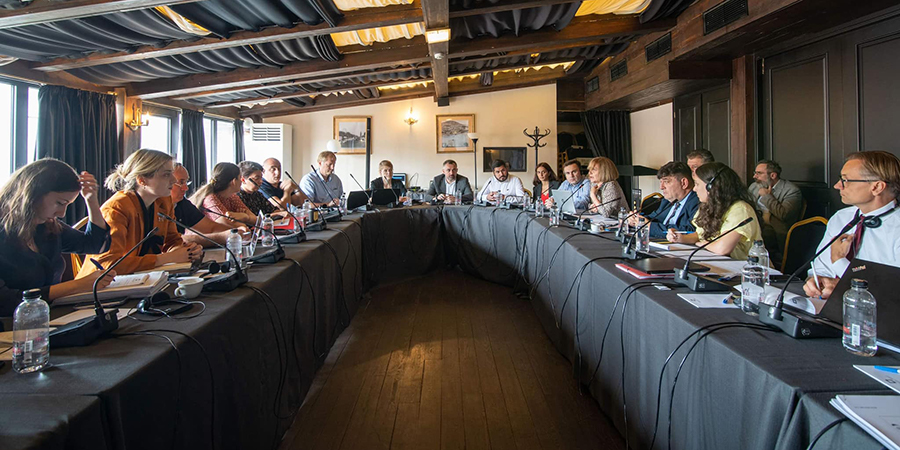
On July 28, PMCG supported a workshop organized by the EU and the Ministry of Environmental Protection and Agriculture of Georgia as part of the project “Support to Environmental Protection and Fight Against Climate Change in Georgia.”
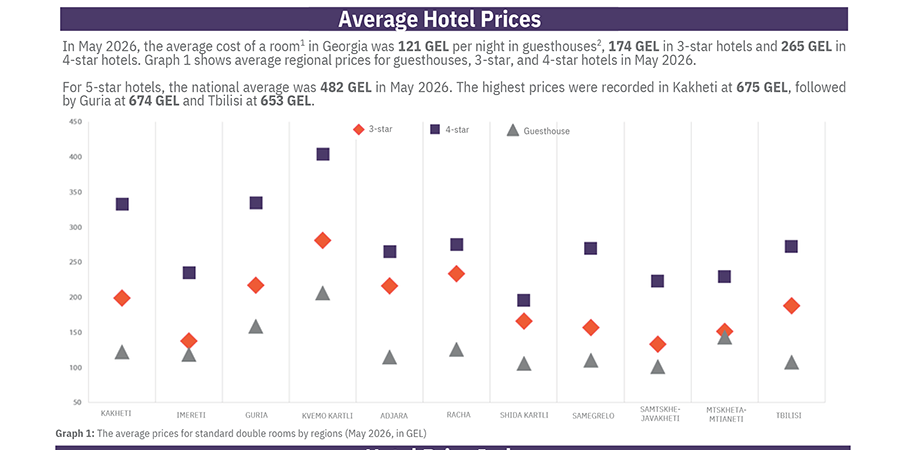
In May 2026, hotel price index in Georgia increased by 11.8% MoM, with the largest increase observed in Kvemo Kartli, Adjara, and Tbilisi compared to previous month. In May 2026, hotel price index in Georgia increased by 8.7% YoY, with the largest increase in Adjara, Guria, and Kakheti. The average price of a room ranged from 121 GEL to 482 GEL in May 2026.
In April 2026, the number of salaried employees reached 1,012,141, increasing by 2.1% year-over-year. In April 2026, vacancies published on jobs.ge decreased by 5.2% year-over-year. Within this, vacancies in sales and procurement increased by 5.7%, while vacancies in IT and programming decreased by 17%. In Q1 2026, compared to Q4 2025, the efficiency of the labor market decreased, as the seasonally adjusted job openings rate remained unchanged, while the unemployment rate increased.
In 2025, Georgia’s economy grew by 7.5% in real terms, moderating from 9.7% growth in 2024. Economic expansion was driven mainly by ICT, education, and transport services on the supply side, alongside strong private consumption on the demand side. Economic activity remained robust at the beginning of 2026, with real GDP growth reaching 9.1% year-over-year (YoY) in Q1 2026. Issue 10 of the Macro Overview examines key aspects of Georgia’s economy and beyond, including: Economic Growth; Business Climate; Key Macroeconomic Indicators; Labor Market; External Sector; Global Economic Trends.
The Business Association of Georgia (BAG) Index is a joint product of the Business Association of Georgia, PMC Research Center, and the ifo Institute for Economic Research. The BAG Index summarizes the BAG Business Climate, BAG Employment Barometer, and BAG Investment Environment, which are calculated according to the assessments of the top managers of BAG member businesses and companies in their corporate group. BAG and PMC Research Center publish the BAG Index on a quarterly basis from Q4 2019.
In March 2026, the number of persons receiving a monthly salary reached 1,006,550, representing a 4.5% increase compared with March 2025. In March 2026, the total number of vacancies published on Jobs.ge increased by 6.3% compared with February 2026 and by 10.1% compared with March 2025. In the IT and programming category, the number of vacancies decreased by 22.3% compared with February 2026 and by 12.7% compared with March 2025.